Contrast Imagery in Writing: The Dance of Light and Dark

In the realm of literature, the interplay of light and dark imagery forms a profound tapestry, weaving through narratives and giving depth to characters, themes, and settings. This article delves into the intricate world of contrast imagery, particularly focusing on the symbolism of light and dark, a theme as old as storytelling itself.
Understanding the Basics of Contrast Imagery
Light and Dark: More Than Just Visual Elements
In literature, light and dark are not just visual elements; they are powerful symbols. They often represent opposing forces: good versus evil, knowledge versus ignorance, or love versus hate. This dichotomy plays a crucial role in storytelling, providing a backdrop against which the narrative unfolds.
Historical Evolution of Light and Dark Symbolism
From Biblical Times to Contemporary Narratives
The use of light and dark imagery is deeply rooted in history. In the Bible, light is often associated with goodness and divinity. For instance, the book of Genesis describes God’s creation of light, separating it from darkness, symbolizing the division between good and evil.
Table: Biblical Symbolism of Light and Dark
| Symbol | Biblical Interpretation |
| Light | Goodness, Divinity |
| Dark | Evil, Chaos |
Light and Dark in Classical Literature
Shakespeare and Beyond
In Shakespeare’s works, light and dark imagery often symbolize love and despair. For example, in “Romeo and Juliet,” light is used to depict the intensity and purity of Romeo and Juliet’s love. This symbolism is evident in the famous balcony scene where Romeo describes Juliet as the sun, the ultimate source of life.
Table: Shakespeare’s Use of Light and Dark
| Play | Symbolism |
| Romeo & Juliet | Light as Love |
| Macbeth | Dark as Despair |
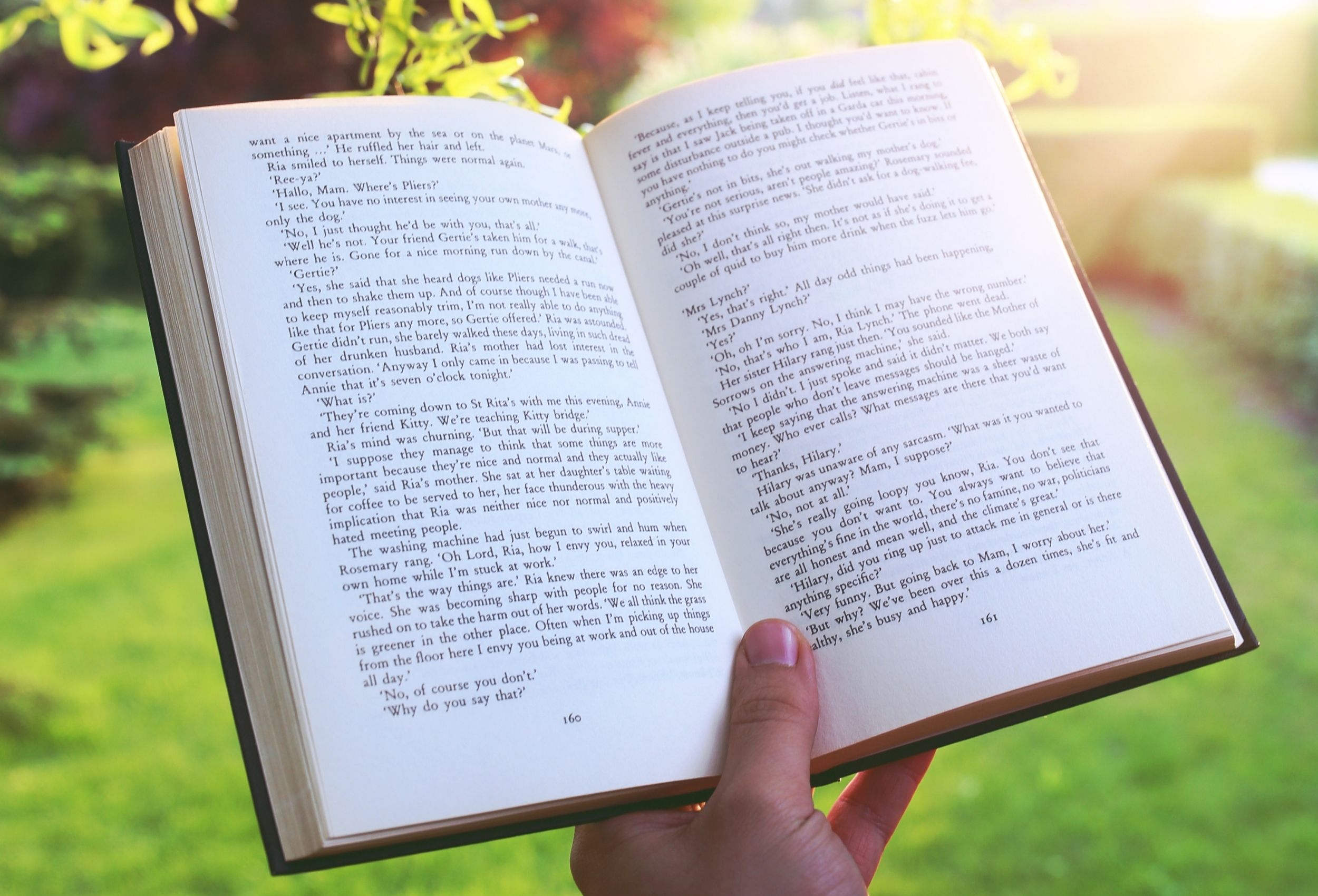
Psychological Impact of Light and Dark Imagery
Influencing Reader Perception
The use of light and dark imagery in literature extends beyond the visual; it plays a significant role in shaping the reader’s emotional and psychological response. Light often brings hope and clarity, while darkness can evoke feelings of uncertainty and fear.
Light and Dark Symbolism in Classic Literature
Exploring the Depths of Symbolism
Classic literature is rich with examples of light and dark symbolism. Authors like F. Scott Fitzgerald in “The Great Gatsby” used light to symbolize idealism and the unattainable, often in the form of the green light at the end of Daisy’s dock, representing Gatsby’s unreachable dreams.
Table: Light and Dark in Classic Literature
| Author | Work | Symbolism |
| F. Scott Fitzgerald | The Great Gatsby | Light as Idealism |
The Psychological Impact of Light and Dark Imagery
Affecting Emotions and Perceptions
The contrast between light and dark can significantly influence the reader’s emotional state. Light often represents hope, purity, and salvation, while darkness can symbolize ignorance, evil, and despair. This interplay can profoundly affect how readers perceive and interpret the narrative.
Table: Emotional Impact of Light and Dark
| Symbol | Emotional Impact |
| Light | Hope, Purity |
| Dark | Despair, Ignorance |
Light and Dark in Contemporary Writing
Modern Interpretations and Uses
In contemporary literature, authors like Cormac McCarthy have masterfully employed light and dark symbolism. In “All the Pretty Horses,” McCarthy uses the imagery of a young hero riding into a darkening landscape to symbolize a transition from a known past to an uncertain future.
Table: Contemporary Use of Light and Dark
| Author | Work | Symbolism |
| Cormac McCarthy | All the Pretty Horses | Transition to Future |
Techniques for Incorporating Contrast Imagery
Crafting a Narrative with Light and Dark
Writers can use light and dark imagery to add depth and dimension to their stories. This can be achieved through descriptive language, character development, and setting the scene. The key is to use these symbols to support the narrative without overpowering it.
Table: Techniques for Using Light and Dark
| Technique | Description |
| Descriptive Language | Use vivid imagery to depict light and dark |
| Character Development | Symbolize character traits with light/dark |
| Setting | Use time of day to set mood |
A New Age of Symbolism
Contemporary literature continues to evolve the use of light and dark imagery, often blending traditional meanings with modern interpretations. This evolution reflects the changing societal values and the complexities of the modern world.
Modern Usage and Interpretations
Contemporary Authors and Their Craft
Authors like Cormac McCarthy and F. Scott Fitzgerald have used light and dark symbolism to great effect, portraying complex themes like hope, despair, and the passage of time.
Table: Light and Dark in Modern Literature
| Author | Work | Symbolism |
| Cormac McCarthy | The Road | Dark as Desolation |
| F. Scott Fitzgerald | The Great Gatsby | Light as Illusion |
Techniques for Incorporating Contrast Imagery
Enhancing Your Writing with Symbolism
Writers can use light and dark imagery to add layers of meaning to their stories. This can be achieved through character development, setting, and thematic elements.
Table: Techniques for Using Light and Dark in Writing
| Technique | Application |
| Setting | Use time of day to influence mood |
| Character Traits | Symbolize internal conflicts with light/dark |
| Thematic Elements | Use light/dark to reinforce themes |
Analyzing Light and Dark Symbolism in Poetry
The Lyrical Dance of Imagery
Poetry often uses light and dark imagery to convey emotions and themes in a condensed form. Poets like Robert Frost have masterfully used this symbolism to evoke deep emotional responses.
Case Study: Robert Frost’s Poetry
Exploring the Depths of Symbolism
In Frost’s poetry, light and dark often symbolize life’s complexities and the human condition’s nuances.
Table: Light and Dark in Robert Frost’s Poetry
| Poem | Symbolism |
| “Stopping by Woods on a Snowy Evening” | Dark as Mystery |
| “The Road Not Taken” | Light as Possibility |
Frequently Asked Questions
- What does light typically symbolize in literature?
- Light often represents hope, purity, knowledge, and life.
- Can dark imagery have positive connotations?
- Yes, darkness can symbolize rest, mystery, and even freedom.
- How can writers effectively use light and dark imagery?
- By using them to enhance themes, set the mood, and develop characters.
Conclusion
In the world of literature, the interplay of light and dark remains a powerful tool in the hands of skilled writers. It’s a dance of contrasts that reflects the human experience, painting stories with shades of meaning that resonate with readers across generations.